
Heat Pump Installation
One System Handling Both Heating and Cooling
Heat pump installation in Ceres for homes where the existing duct system and equipment are evaluated together before a replacement is sized
A heat pump performs exactly as well as the duct system it feeds — and that relationship is where installations go wrong when the ductwork isn't evaluated before sizing begins. Ceres and nearby Modesto homes with attic-mounted ductwork frequently have duct runs that were sized for a furnace and AC combination with different static pressure characteristics than a heat pump produces. United Heating and Air checks the whole system — existing ductwork, airflow, and current equipment — before recommending a heat pump or sizing a replacement, which prevents the most common post-installation complaint: a correctly rated system that can't deliver conditioned air evenly to the rooms it's supposed to serve.
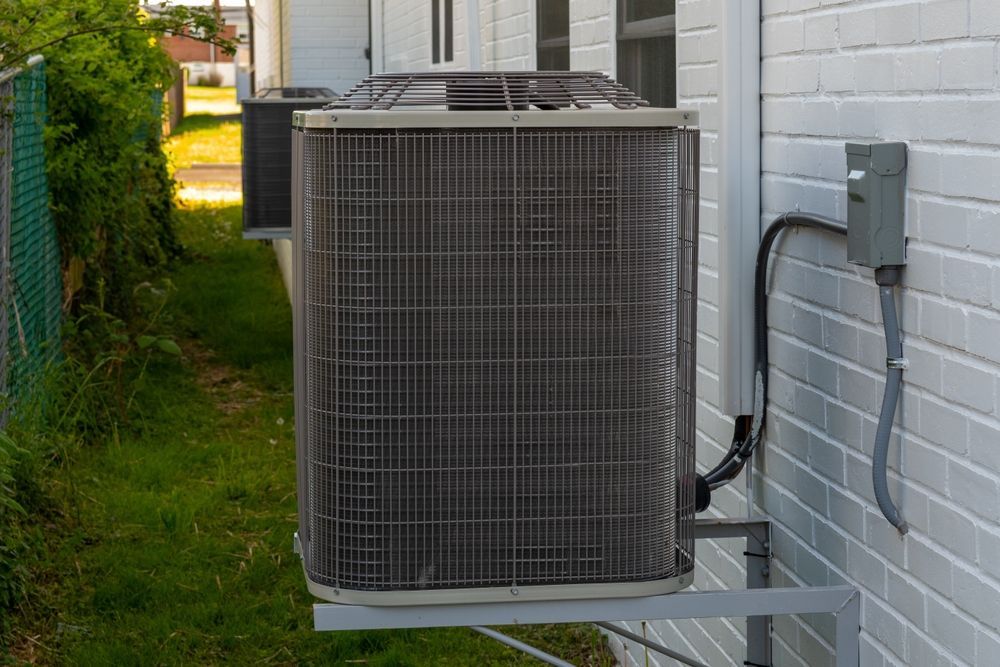
The installation process covers setting the outdoor unit on a level pad with proper clearances, connecting refrigerant lines between the outdoor unit and air handler, and commissioning the system to confirm it operates correctly in both heating and cooling modes. Because heat pumps use a reversing valve to switch between heating and cooling, commissioning includes verifying that the valve shifts correctly and that the auxiliary or emergency heat strips engage at the appropriate conditions. Written pricing is provided before any approved work is approved to begin.
Request a full system evaluation — ductwork included — to determine whether the existing infrastructure supports the heat pump size your home actually requires.
The Difference Between Sizing a Heat Pump and Sizing a Furnace
Heat pump sizing involves a load calculation for both heating and cooling demand, but the duct system evaluation adds a layer that furnace replacements don't always require. Heat pumps operate at lower supply air temperatures in heating mode than a gas furnace does — typically delivering air in the 90–100°F range rather than the 120–140°F range a furnace produces. That lower supply temperature means air volume matters more: the system needs to move more air through the duct runs to deliver the same amount of heat to the rooms. If duct leakage or undersized runs restrict that volume, a correctly sized heat pump will still underperform in heating mode.
After the installation is commissioned, the system should maintain set point in both heating and cooling modes, cycle normally without short-cycling or running continuously, and produce no error codes on the thermostat. United Heating and Air runs both modes after installation to verify the reversing valve operation and confirm the auxiliary heat strips engage and disengage at the right conditions — a heat pump that calls for auxiliary heat at mild outdoor temperatures is usually a configuration issue caught at commissioning rather than an equipment failure. Supply registers in each room should feel active and consistent rather than delivering noticeably weaker airflow in rooms furthest from the air handler.
Homeowners replacing an older split system with a heat pump should also be aware that the electrical service to the outdoor unit may need evaluation — heat pump condensers typically draw more starting amperage than a standard AC condenser, and the disconnect and circuit breaker at the outdoor unit must be rated for the new equipment. That electrical review is part of the site assessment rather than a detail addressed after the equipment arrives.
Questions About How the Work Is Done
These questions address what the heat pump installation process involves and what factors affect how the system is sized, installed, and confirmed to be running correctly.
Why does the ductwork need to be evaluated before a heat pump is sized?
Heat pumps deliver heating at lower supply air temperatures than gas furnaces, which means airflow volume through the duct runs has a larger effect on heating output — duct leakage or undersized runs that were acceptable with a furnace may cause consistent underperformance in heating mode with a heat pump of the same rated capacity.
What does commissioning a heat pump installation actually involve?
The technician runs the system through both heating and cooling modes, verifies the reversing valve shifts correctly between them, checks refrigerant pressures against manufacturer specifications at current conditions, and confirms auxiliary heat engages at the appropriate outdoor temperature threshold rather than running continuously alongside the compressor.
How does attic-mounted ductwork in older Ceres homes affect heat pump performance?
Attic duct runs in single-story homes often have leakage at flex duct connections and at the plenum — air lost there reduces the volume reaching living spaces, and because heat pumps are more sensitive to airflow volume in heating mode than furnaces, sealing those leaks before installation produces more consistent room-to-room temperature distribution.
What electrical work is typically required when replacing an AC system with a heat pump?
The existing disconnect and branch circuit breaker must be rated for the heat pump's maximum overcurrent protection rating, which is listed on the equipment nameplate — a heat pump with a higher MOP rating than the existing AC may require a new breaker and disconnect before the installation can be completed to code.
How do you know the heat pump is operating correctly after installation?
In cooling mode, supply air at the registers should feel notably cooler than room temperature after a full cycle; in heating mode, supply air should feel warm — not hot as with a furnace — and the system should reach set point without the auxiliary heat strip running continuously during mild conditions.
United Heating and Air also installs heat pumps in Merced, Modesto, Oakdale, Ripon, and Turlock. To schedule a full system and ductwork evaluation and receive written pricing for your heat pump installation, call United Heating and Air at (209) 505-0385.