
Whole Home Fan Installation
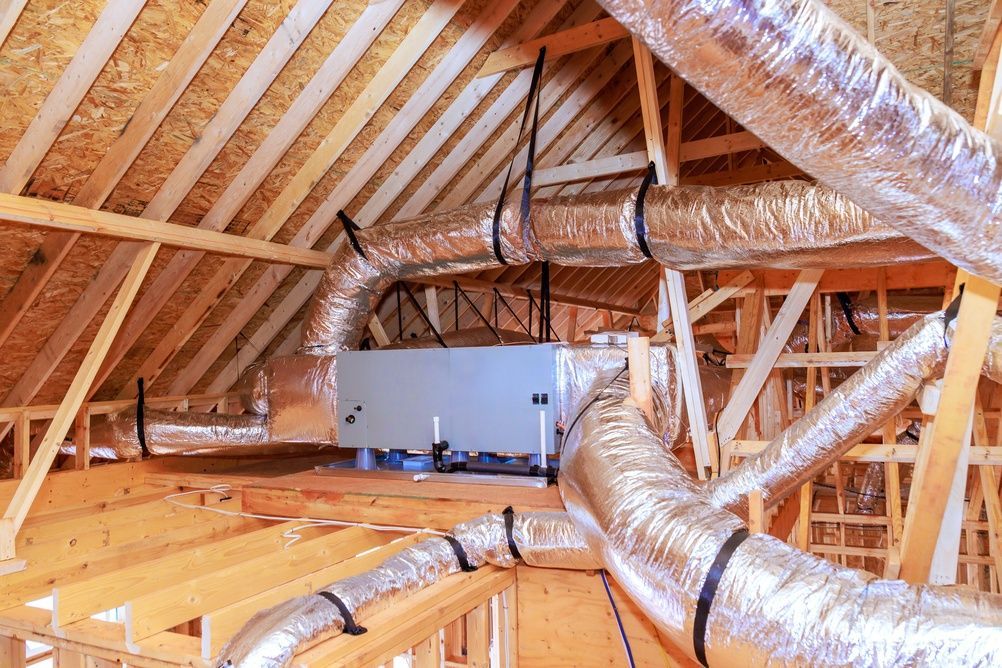
Pull Outside Air Through the Whole House
Whole Home Fan Installation in Ceres for single-story homes that retain heat after sundown
Replacing warm interior air with cooler outdoor air in the evening hours is a straightforward mechanical task that a whole house fan handles more efficiently than an air conditioner running against a hot attic. Single-story ranch homes throughout Ceres are well suited to this approach—the open floor plan and the direct ceiling-to-attic path let air move through the entire living space with minimal obstruction. United Heating and Air installs and repairs Quiet Cool whole house fans and gable attic fans in Ceres as part of a complete HVAC service, sizing each unit to the home's square footage before any ceiling work begins.
The installer sizes the fan, cuts the ceiling opening, mounts the unit, and wires the controls to complete the installation. Gable attic fans are installed in the attic gable vent for properties that need attic heat removal without a whole house unit—they serve a different function, exhausting heat trapped in the attic rather than pulling air through the living space. Written pricing is provided before any approved work starts.
Request an installation quote that includes fan sizing based on your home's floor plan and existing attic vent area.
What Proper Whole House Fan Installation Requires
Fan sizing is the step most often skipped in a low-effort installation, and undersizing is the most common reason a whole house fan fails to clear the house temperature within a reasonable runtime. The fan's CFM rating must match the home's square footage and ceiling height, and the attic must have enough net free vent area to let the exhausted air escape—without adequate attic ventilation, the fan creates pressure buildup that reduces its own effectiveness and can force hot air back through gaps in the ceiling plane.
Once installed, a correctly sized Quiet Cool unit runs quietly enough to leave on through the evening without disrupting sleep, and the home's interior temperature should drop noticeably within the first 30 to 45 minutes of operation with windows open. The attic temperature also drops as the fan cycles air through, which reduces the radiant heat the ceiling transfers into the living space the following day.
The difference between a whole house fan and a gable attic fan is one of function: the whole house fan serves the occupied space, while the gable fan serves the attic alone. Some properties benefit from both—a gable fan that runs during the day to prevent attic heat buildup and a whole house fan that clears the living space in the evening. United Heating and Air assesses which configuration fits the property before installation begins.
Questions Before Your Fan Is Installed
Whole house fan installation involves structural, electrical, and ventilation considerations that affect how the unit performs after it is in place. These questions address the specifics of how the work is done and what determines the right setup for a given property.
How is a whole house fan sized for a specific home?
The installer calculates the home's square footage and ceiling height to determine the required CFM, then confirms the attic has enough net free vent area to handle the exhaust volume the fan will move—both numbers have to align or the fan underperforms regardless of its rated capacity.
What happens to the ceiling structure when the fan opening is cut?
The installer frames the ceiling opening to maintain structural integrity around the cut, which is particularly relevant in older Ceres ranch homes where ceiling joists may be spaced at non-standard intervals compared to newer construction.
Why does attic vent area matter for whole house fan performance?
The fan pushes large volumes of air into the attic in a short time, and if the soffit and ridge vents cannot exhaust that volume quickly enough, pressure backs up and the fan works against its own airflow—reducing the air change rate the unit was sized to deliver.
How does a gable attic fan differ from a whole house fan in the way it is installed?
A gable attic fan mounts inside the gable vent opening and requires only an electrical connection; it does not involve a ceiling opening or living space airflow, making it the right option for properties where attic heat accumulation is the primary concern rather than interior air exchange.
What electrical work is involved in a whole house fan installation?
The unit requires a dedicated circuit run from the panel to the ceiling location, and the controls—whether a timer switch or a variable speed panel—are wired at the same time as the fan so the installation is complete and functional in a single visit.
United Heating and Air also installs whole house fans in Merced, Modesto, Oakdale, Ripon, and Turlock. Call (209) 505-0385 to get written pricing based on your home's square footage and attic configuration before installation begins.