
HVAC Installation and Repair
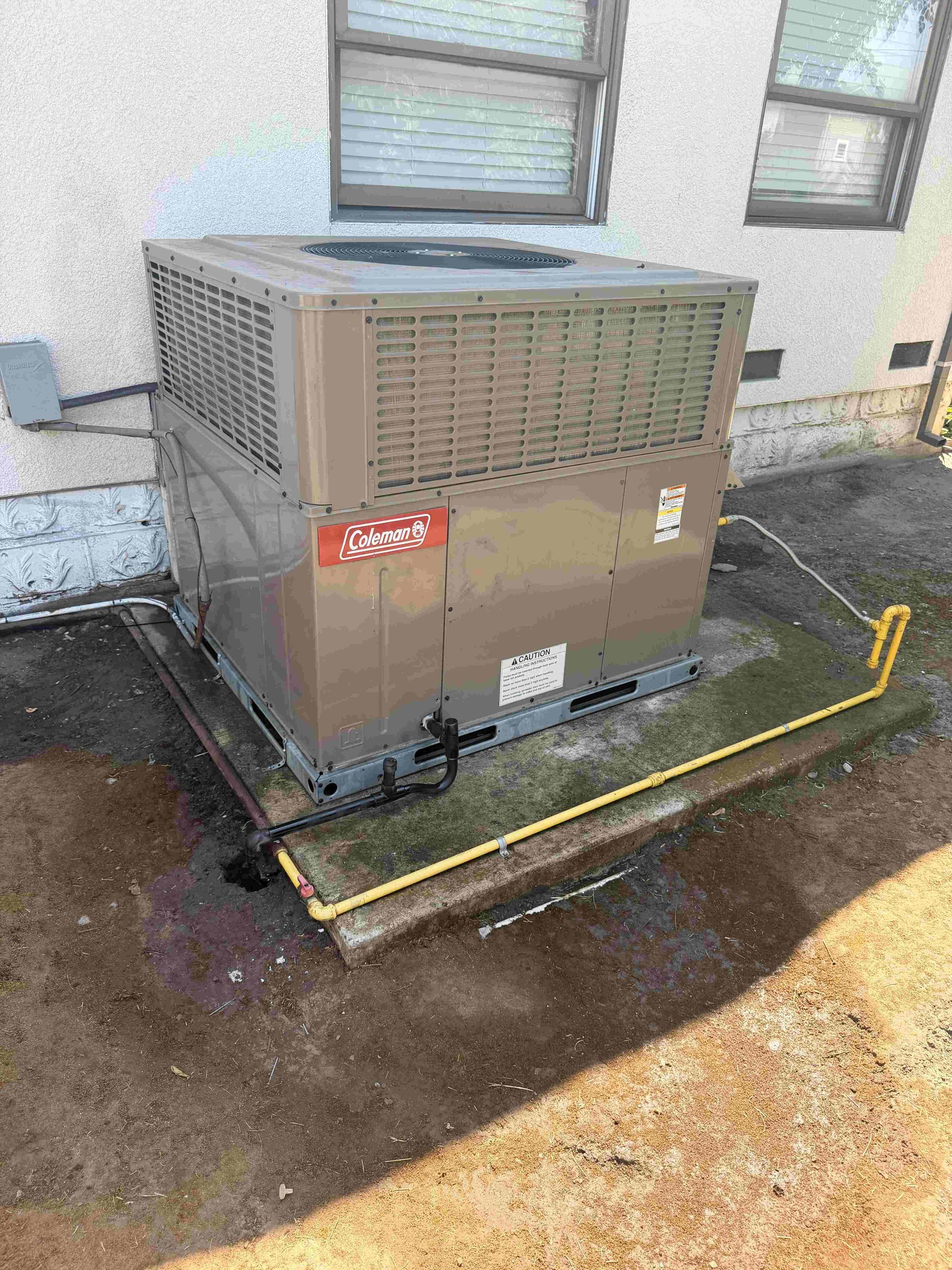
System Checks That Cover Equipment and Ductwork Together
HVAC installation and repair in Ceres for homes where the system is underperforming, failing, or due for replacement
Single-story ranch homes built across the Central Valley from the 1960s through the 1990s were typically constructed with ductwork running through attic spaces—a layout that puts the distribution system in an unconditioned zone and makes duct condition a direct variable in system performance. When a system in one of these homes starts underperforming, the fault can sit in the equipment or the duct run, and a diagnosis that only checks the outdoor unit and the air handler will miss problems that originate overhead. United Heating and Air provides HVAC installation and repair in Ceres by checking the system as a whole—electrical components, refrigerant charge, airflow across the coil, and the duct run—before a repair or a replacement is recommended.
For repairs, that means written pricing is provided before any approved work starts, and the recommendation is based on what the diagnosis actually shows rather than a default toward replacement. For new installations, the process begins with a load calculation and a duct check, not a swap of the outdoor and indoor units for the same capacity rating. A California C-20 license covers the refrigerant handling, electrical connections, and gas-side work involved in both repairs and full system installs. Diagnostic fees apply to service calls; new installation estimates begin with a free on-site evaluation.
To have the full system evaluated rather than just the equipment, schedule a diagnostic or installation estimate with United Heating and Air at (209) 505-0385.
The Difference Between a System Check and an Equipment Swap
An HVAC system that is not cooling or heating adequately can point to a dozen different causes—low refrigerant charge, a failing capacitor or contactor, a dirty evaporator coil with restricted airflow, a blower wheel that has accumulated debris and lost its airflow rating, or ductwork with disconnected sections that are conditioning attic space instead of living space. The diagnostic sequence United Heating and Air follows works through electrical supply and component condition first, then refrigerant pressures at both the high and low side, then airflow measurements across the coil, and then duct integrity—because skipping the duct inspection on an attic-duct home produces a repaired system that still underperforms.
After a repair, the difference shows up in how the home behaves: rooms that were previously hard to cool reach set-point temperature during a normal cycle, the system does not run continuously without satisfying the thermostat, and the supply registers deliver air at the volume and temperature the equipment is rated to produce. After a new installation sized to the actual load rather than the outgoing unit, oversized short-cycling—a common problem in homes where the original equipment was selected without a load calculation—is resolved. United Heating and Air holds a five-star Google rating across 37 reviews, reflecting work done under the same diagnostic standard applied to every service call.
New HVAC installs in California require permits in most jurisdictions, and the inspection process covers refrigerant line connections, electrical disconnect sizing, and condensate drainage—details that affect the installation sequence and are part of how United Heating and Air plans a new system job. Turlock and Ceres properties with specific utility or HOA requirements for equipment placement or refrigerant class are addressed during the estimate visit.
Questions Property Owners Ask About HVAC Work
The following questions address how HVAC diagnosis and installation actually proceeds, what gets evaluated, and what to observe once the work is finished.
How does a technician determine whether an HVAC problem is in the equipment or the ductwork?
Airflow measurements at the supply registers and return grilles are compared against the air handler's rated output—if the equipment is performing correctly but the delivered airflow is low, the duct system is carrying the problem rather than the unit.
What does a load calculation involve, and why does it matter for a new HVAC installation?
A load calculation measures the home's square footage, ceiling height, insulation values, window area and orientation, and internal heat sources to determine the actual BTU demand—a system sized to those numbers rather than the outgoing unit's rating will cycle correctly and avoid the energy waste of an oversized system running in short bursts.
Why do attic duct systems in older Central Valley homes develop airflow problems even when the equipment is functional?
Flex duct installed in attic spaces is susceptible to compression at support hangers and disconnection at boot connections over time, both of which reduce the effective duct diameter and can cut delivered airflow by a measurable percentage without any obvious visible sign from inside the living space.
What should you verify after an HVAC repair to confirm the system is working correctly?
Run the system through a full cycle and check that the supply air temperature at the register matches the expected split for cooling or heating, that all zones are receiving airflow, and that the outdoor unit is cycling on thermostat satisfaction rather than tripping on a fault.
How is refrigerant charge verified during a repair rather than simply added when a system is low?
A technician measures both suction and discharge pressures against the manufacturer's specified operating range for the ambient temperature and indoor conditions, then adjusts charge to match those specifications—adding refrigerant without measuring static pressures first can overcharge the system and damage the compressor.
United Heating and Air also provides HVAC installation and repair in Merced, Modesto, Oakdale, Ripon, and Turlock. To request an on-site system evaluation or a new installation estimate, call United Heating and Air at (209) 505-0385 with a description of what the system is currently doing.